Pre Labor Day DIY Warning on Hidden Asbestos Risks
Intrepid Restoration • September 2, 2026
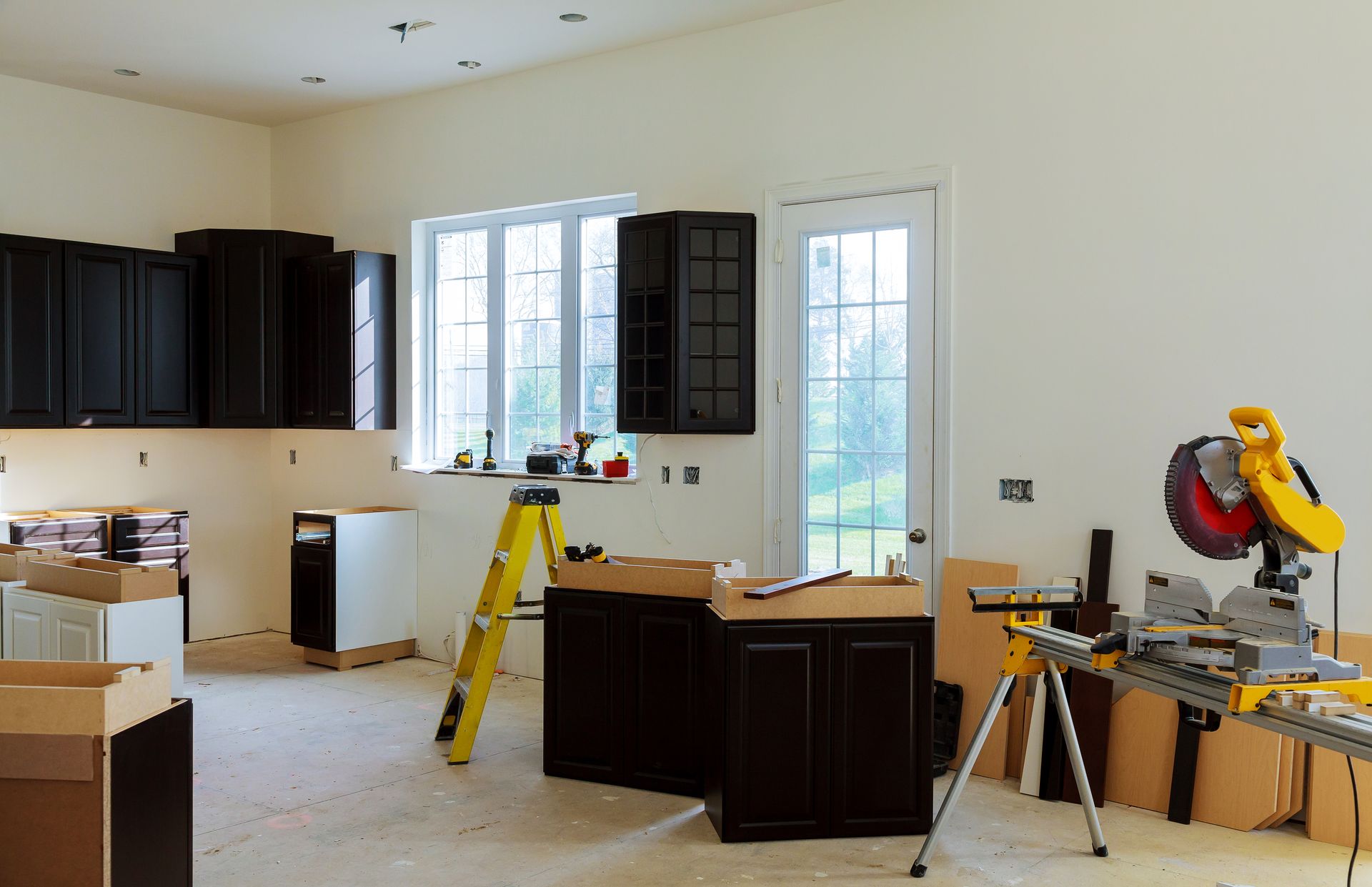
Labor Day weekend often inspires homeowners to tackle major renovation projects before the weather turns cold. Tearing down old walls or ripping up outdated floors might seem like a straightforward weekend task for an eager homeowner. However, Intrepid Restoration knows that rushing into demolition without professional testing often exposes families to hidden asbestos risks. Older properties are full of historical building techniques that do not align with modern safety standards. Disturbing older building materials without proper precautions can release microscopic hazards directly into your living space, turning a simple update into a health crisis.
Professional asbestos abatement is not just a regulatory hurdle, but a crucial step in keeping your property safe during a remodel. Taking the time to properly assess your home before swinging a sledgehammer protects your family and your property value. We want you to feel confident and informed before committing to any major tear out project. Understanding what to look for and who to hire ensures your renovation starts on a secure foundation, keeping your timeline and budget on track.
What You Need to Know:
- Preparing for a Safe Demolition
- What building materials commonly contain hidden asbestos?
- Red Flags When Evaluating Abatement Providers
- Questions You Must Ask Before Booking
- Planning Your Next Steps
Preparing for a Safe Demolition
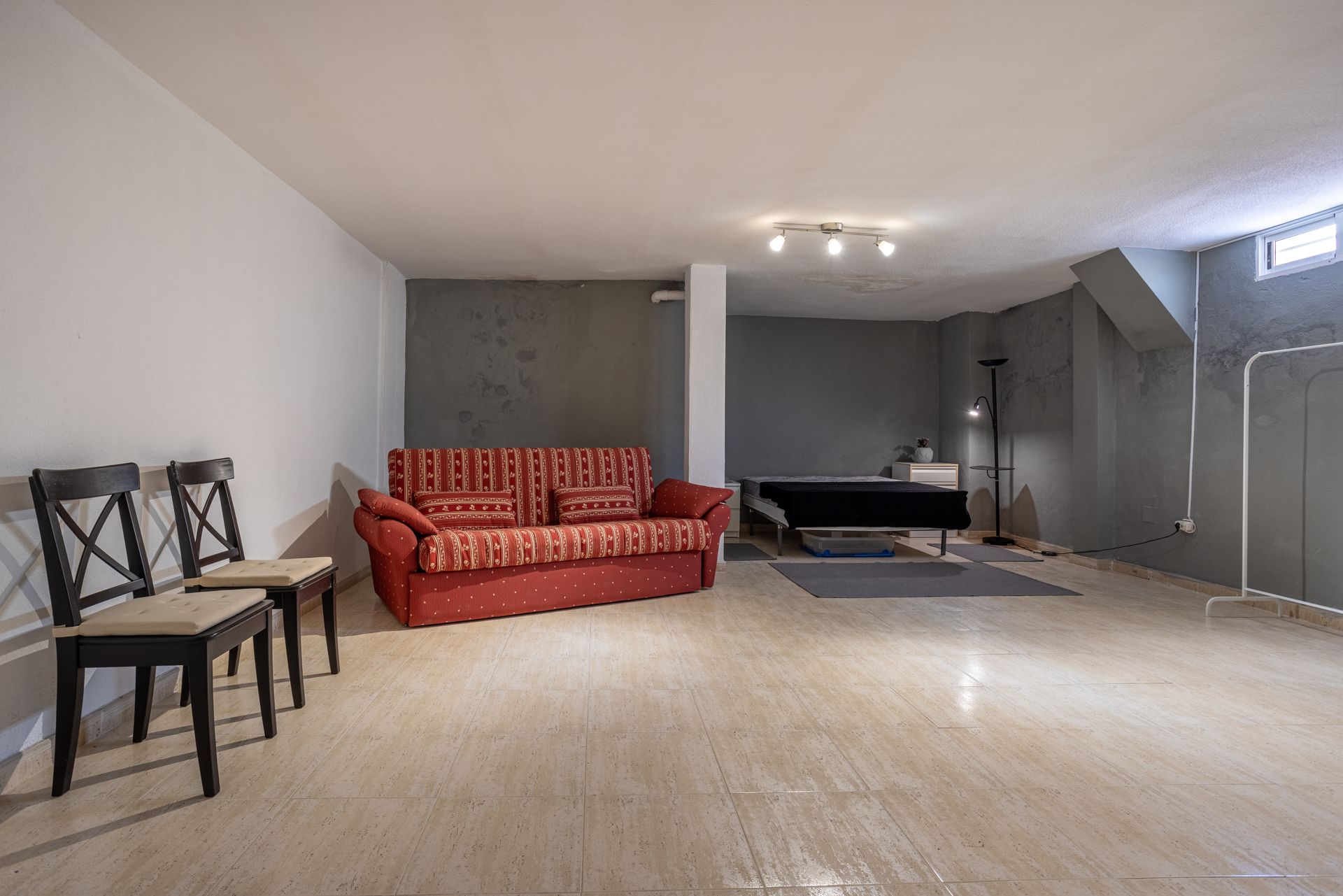
Older homes across Carroll County, Maryland, often feature durable but outdated materials that require careful handling. Before you start planning your basement finishing or drywall repair project, you must identify potential hazards. Moving too fast during the tear out phase is the easiest way to contaminate your entire house with airborne fibers. Professionals know that the real danger lies in the dust you cannot see.
- Age Verification: Assume any property built before 1978 contains restricted materials until proven otherwise by a certified lab test.
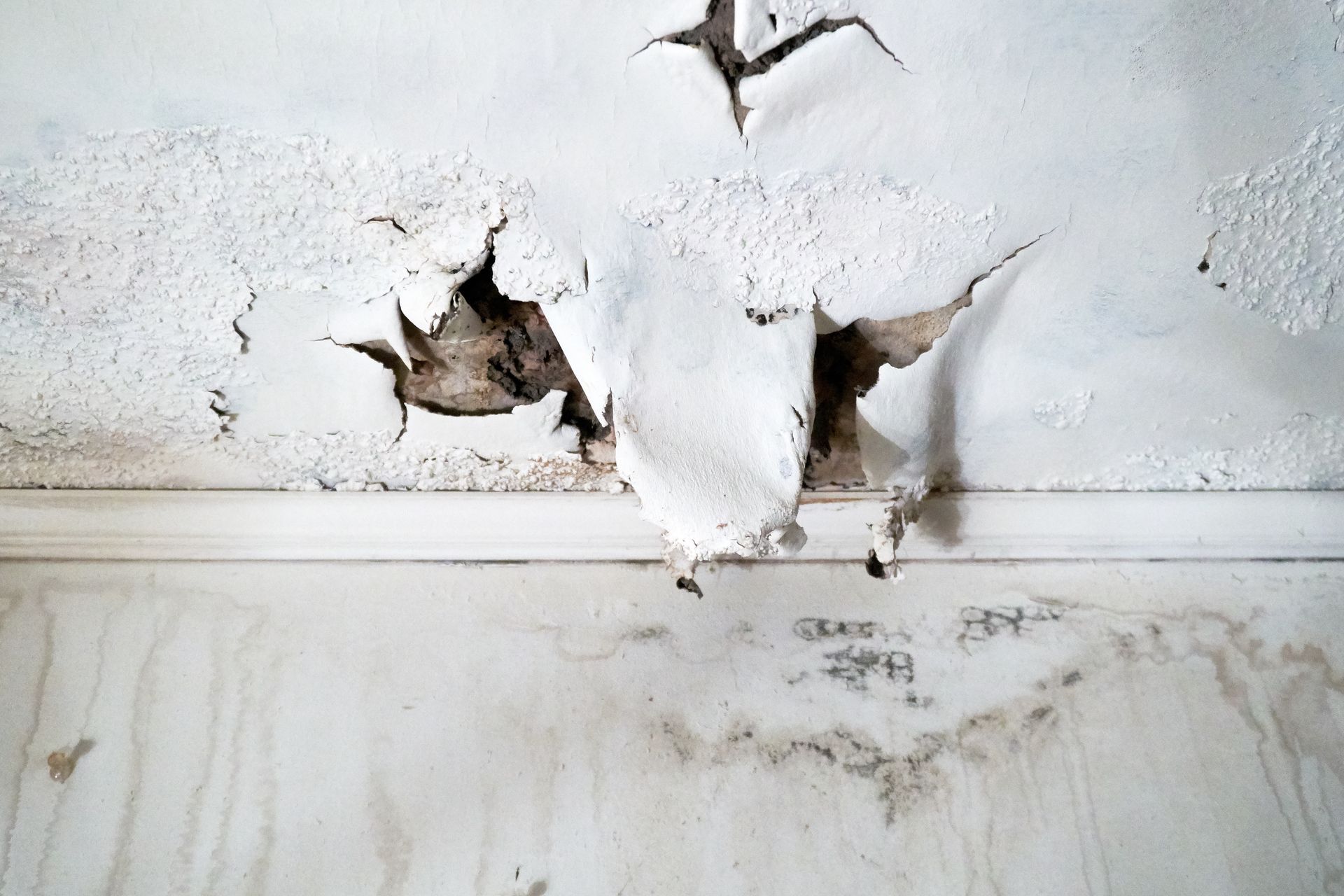
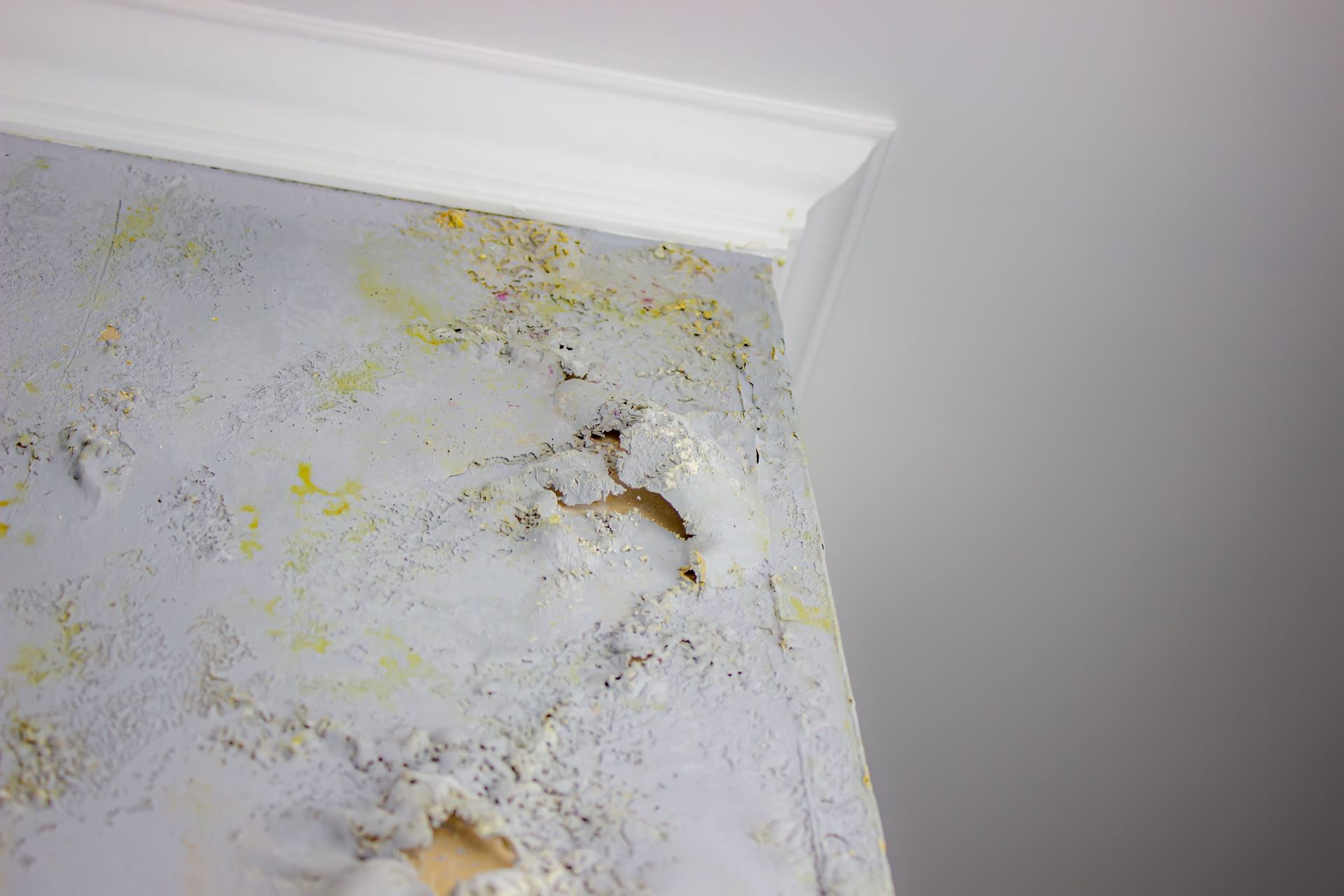
- Visual Inspection: Look for crumbling insulation or old tile adhesive, but never touch, scrape, or disturb the questionable materials yourself.
- Professional Testing: Hire a certified inspector to take physical samples before you finalize your renovation timeline or purchase new materials.
What building materials commonly contain hidden asbestos?
Asbestos was widely used for its fire resistance and durability in residential construction for decades. You will frequently find it hiding in nine inch vinyl floor tiles, popcorn ceiling textures, and the thick black mastic used to glue down basement flooring. It is also commonly wrapped around old hot water pipes and packed inside outdated vermiculite attic insulation.
Red Flags When Evaluating Abatement Providers
If your testing comes back positive, hiring the right abatement contractor is vital for your immediate safety. Not all mitigation companies operate with the same level of transparency and trade expertise, which can leave you vulnerable. Knowing how to spot a substandard contractor before they begin work saves you from incomplete removals and costly secondary cleanups.
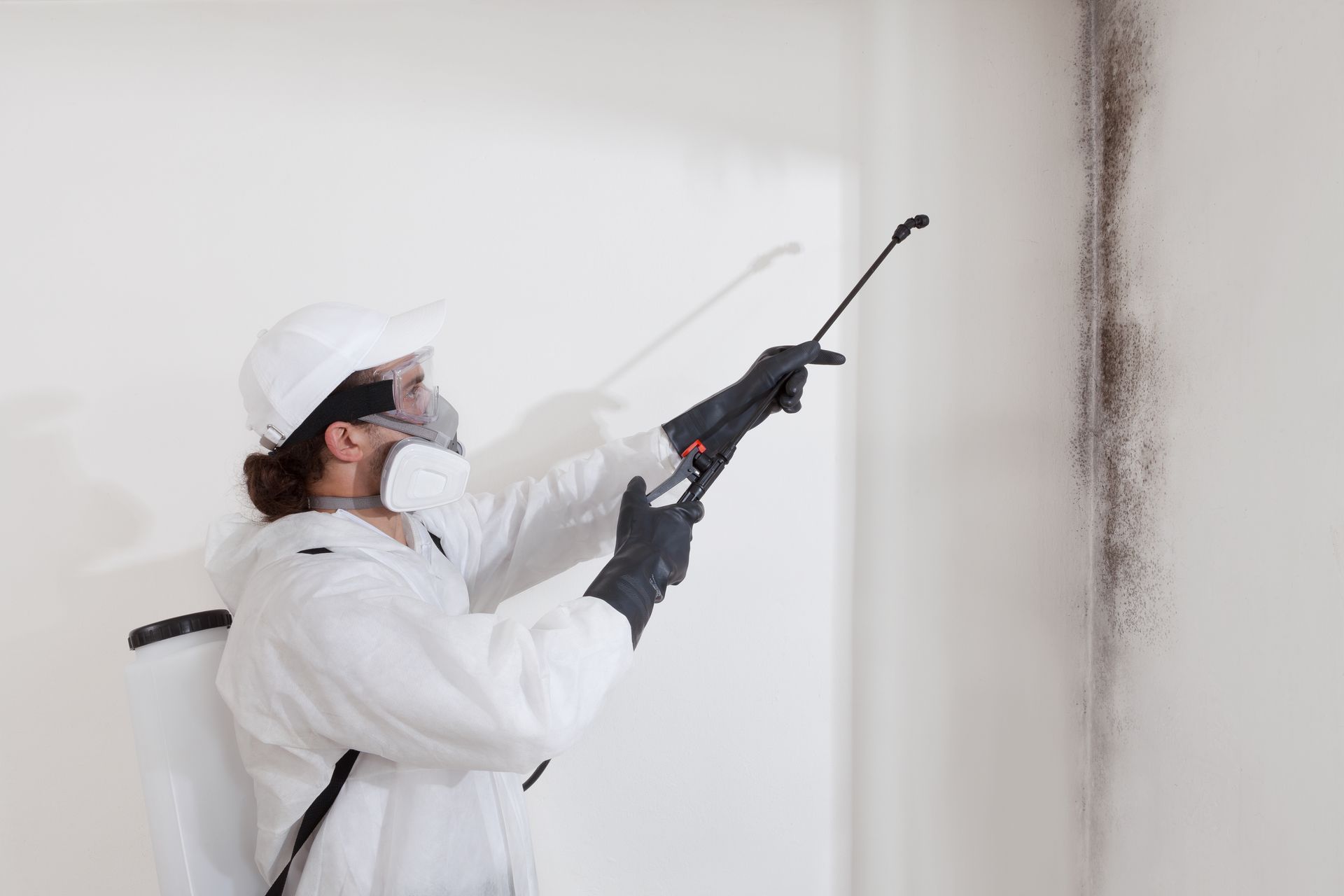
- Vague Containment Plans: Avoid contractors who cannot clearly explain how they will seal off the work area from the rest of your home using negative air pressure.
- Missing Certifications: Run away from any provider who hesitates to show their state abatement licenses, worker training records, and specific insurance documents.
- Pressured Sales Tactics: Be wary of teams that use fear to force a quick signature instead of answering your logistical questions logically and clearly.
Questions You Must Ask Before Booking
A reputable professional expects and welcomes detailed questions about their removal process. Having a candid conversation ensures you are hiring a team that values your safety over a quick payday. These questions force the contractor to prove their competence before a single tool is lifted.
- Air Monitoring: Will independent air quality tests be conducted by a third party during and after the removal process to verify safety?
- Disposal Methods: How exactly are the hazardous materials wetted, bagged, transported, and disposed of according to strict local environmental regulations?
- Project Timeline: What happens if unexpected structural damage or additional contaminated materials are found hidden behind the walls during the abatement process?
Planning Your Next Steps
Knowing exactly what materials you are dealing with makes the entire renovation process predictable and safe. Taking the time to properly test and abate hazards protects your investment and ensures your new living space is truly healthy for years to come. Reach out to our abatement specialists today to schedule an inspection before you start your next remodeling project.
Share This Blog