Why Lingering Soot Causes Permanent Structural Damage
Intrepid Restoration • August 5, 2026
When the flames are extinguished after a property fire, many homeowners assume the worst is over. The reality is that the aftermath often sets off a quiet chain reaction of decay hidden within your walls and ventilation systems. At Intrepid Restoration, we see firsthand how quickly leftover ash and smoke residues degrade building materials. The structural integrity of your home remains under threat long after the first responders have left the scene.
Soot is highly acidic and aggressively eats away at drywall, wood framing, and exposed plumbing. Addressing this chemical breakdown requires more than just airing out the property and wiping down counters. Professional fire damage repair focuses on stopping this progressive deterioration before it forces you into massive reconstruction efforts. Ignoring the soot puts the safety of your property at serious risk.
Inside This Guide:
- The Acidic Nature of Leftover Ash
- The Impact on Plumbing and Heating Systems
- How quickly does soot damage metal surfaces after a fire?
- The Hidden Dangers of Do It Yourself Soot Removal
- Addressing Odor and Structural Weakness Together
The Acidic Nature of Leftover Ash
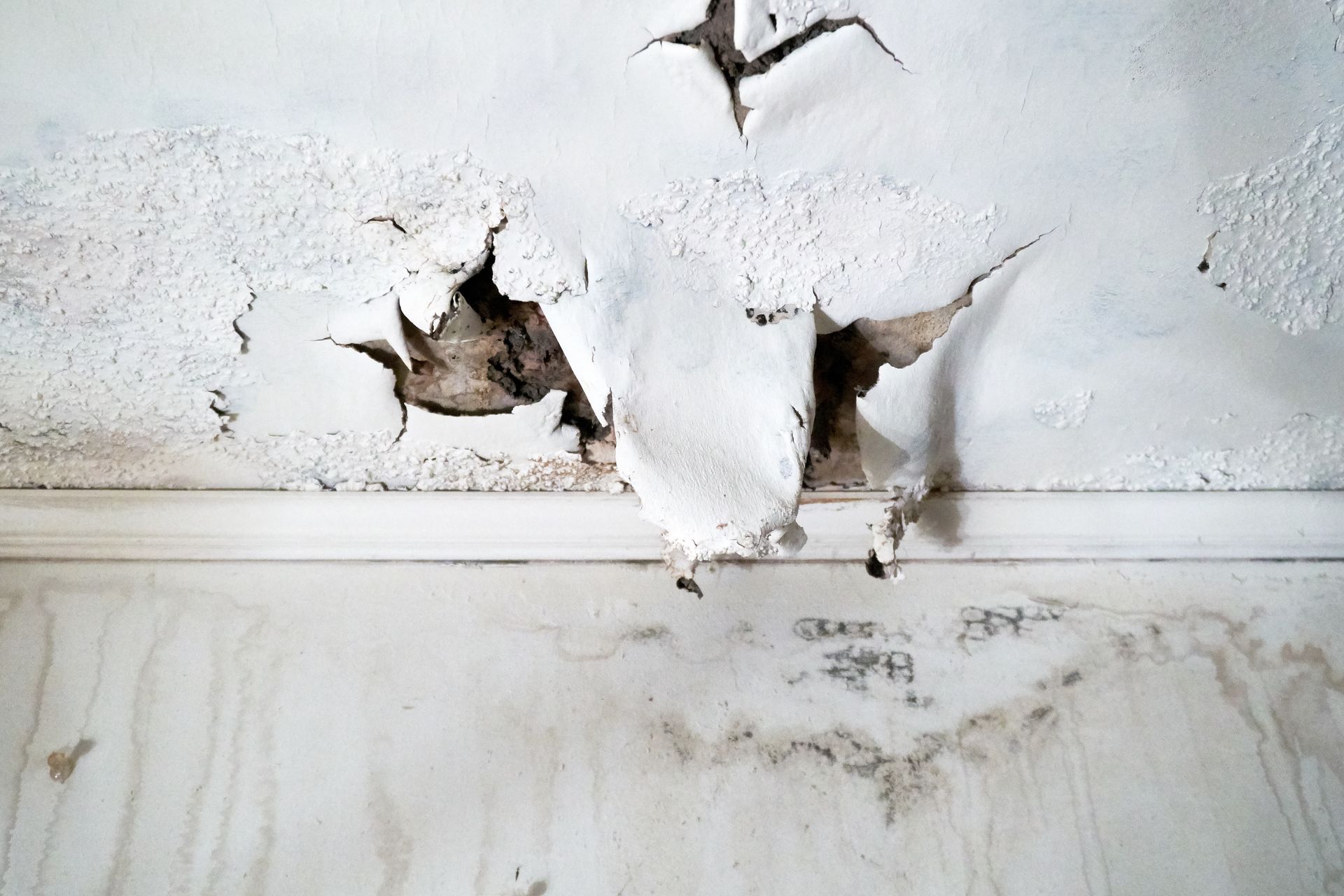
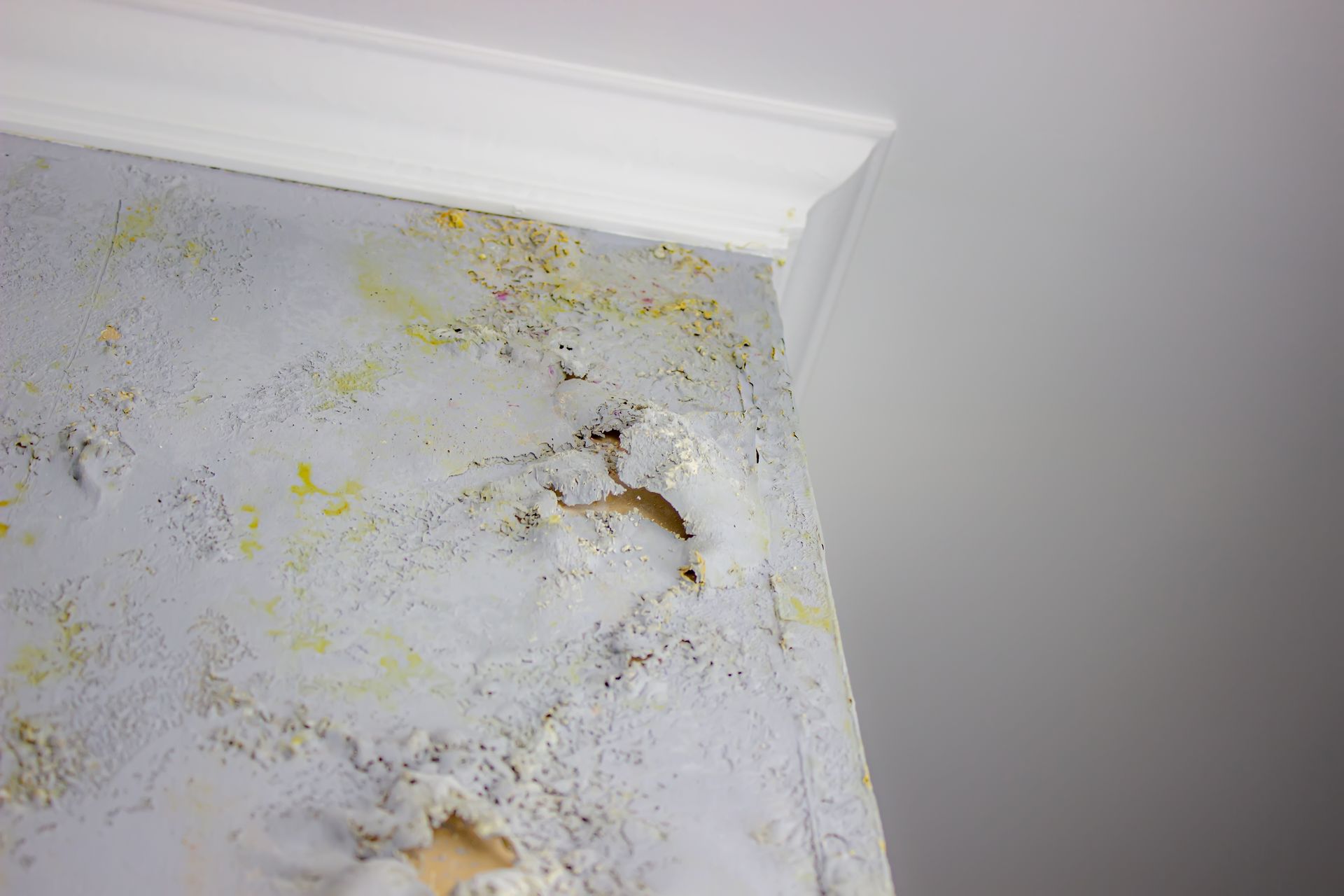
Soot is not just dark dust resting on your belongings. It is a highly corrosive byproduct of incomplete combustion that contains dangerous chemical compounds. When this ash settles onto sheetrock and wooden frames, it begins a slow process of etching and discoloration. The moisture naturally present in the air reacts with these acidic particles to accelerate the breakdown of porous building materials.
Properties across Montgomery County, Maryland, often face severe structural consequences when ash removal is delayed. Over time, untreated framing wood loses its load bearing strength and requires total replacement rather than simple surface cleaning. Our chemical residue cleanup teams focus heavily on neutralizing these acids immediately to preserve the structural bones of your building.
→ A quick tip to remember: If a surface feels tacky or greasy after a fire, acidic residue is actively eating into the material.
The Impact on Plumbing and Heating Systems
While drywall damage is easy to spot, the deterioration of your home mechanical systems often goes unnoticed. Soot travels effortlessly through air ducts and coats the inner workings of your heating and cooling equipment. This acidic layer corrodes metal coils and electrical connections until the systems eventually short out or fail completely.
How quickly does soot damage metal surfaces after a fire?
The timeline for metal decay is alarmingly short when acidic soot is involved. Within hours, unpainted metal fixtures and exposed plumbing pipes will begin to tarnish and yellow. Within a few days, deep pitting and rust take hold, fundamentally weakening the metal and leading to eventual water leaks. Failing to treat these surfaces rapidly means you could be dealing with secondary water damage restoration on top of your existing fire repairs.
→ From a professional standpoint: Wiping metal with standard water and soap actually speeds up the rusting process by driving the acidic soot deeper into the grain.
The Hidden Dangers of Do It Yourself Soot Removal
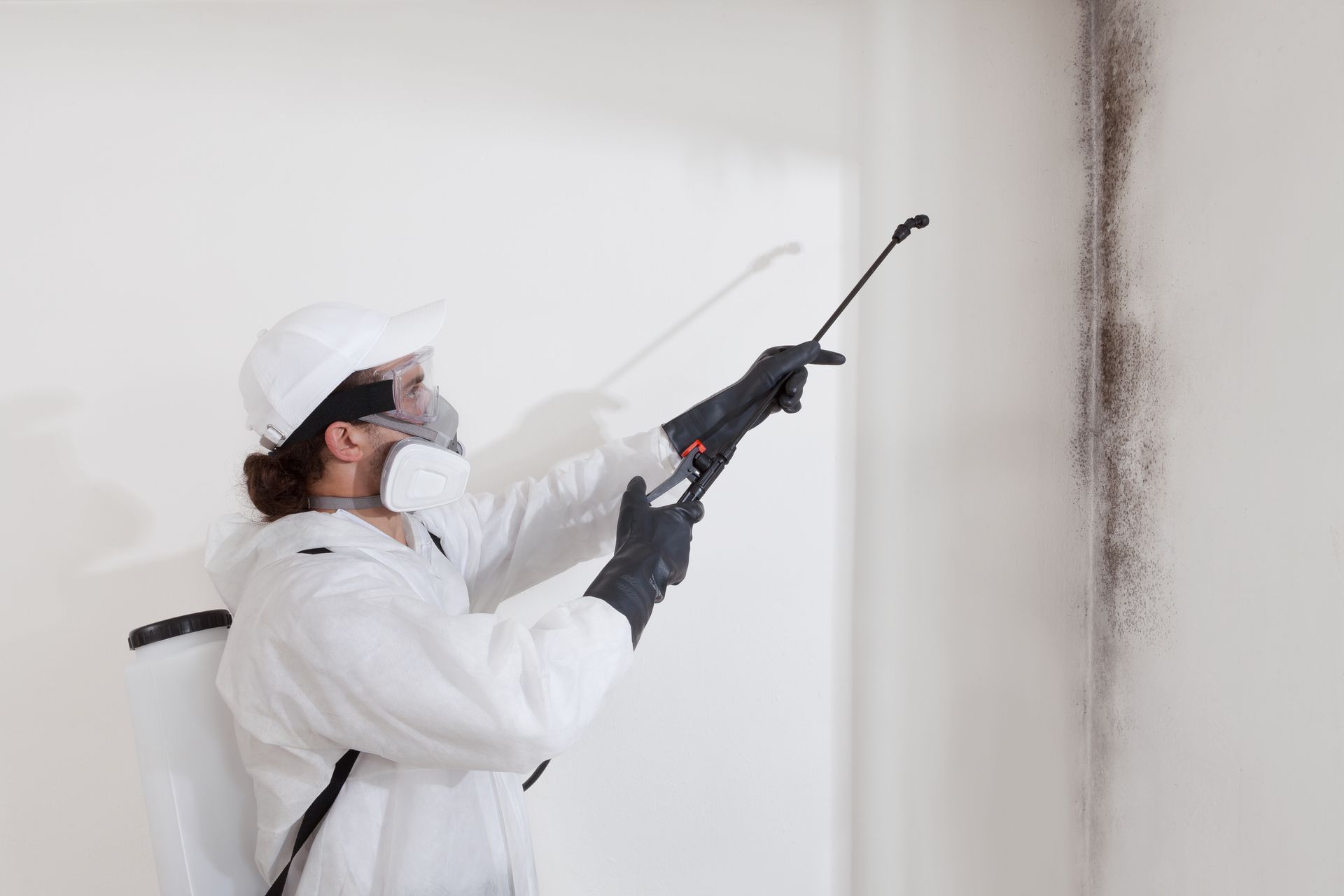
Many property owners attempt to clean up minor smoke damage themselves to save time. Scrubbing soot with household sponges and standard chemical cleaners almost always makes the situation worse. Standard cleaners react unpredictably with fire residues and often smear the soot deeper into the pores of the drywall or wood.
This aggressive scrubbing locks the dark stains and toxic odors permanently into the material. Professional soot and ash removal relies on dry chemical sponges and specialized vacuums to lift the particles away without grinding them in. Attempting a do it yourself cleanup often forces homeowners to tear out and replace materials that could have been saved with the correct professional approach.
→ A quick tip to remember: Never apply liquid cleaners to a soot stain before lifting the dry powder away first.
Addressing Odor and Structural Weakness Together
Lingering smoke odor is the clearest indicator that acidic soot is still eating away at your property. The smell originates from microscopic particles trapped inside the structure itself. Masking these odors with air fresheners does nothing to stop the ongoing chemical breakdown occurring behind your walls.
Proper fire damage repair involves neutralizing the source of the odor at the molecular level. This requires specialized treatments to penetrate the same small crevices that the smoke originally infiltrated. Once the chemical threat is neutralized, the physical rebuilding of weakened frames and drywall can begin with confidence.
Securing Your Property For The Long Term
Stopping soot damage requires fast action and a clear understanding of building materials. Leaving ash to sit simply guarantees that your repair bills will multiply as corrosion takes hold.
Reach out to our mitigation experts today to schedule an immediate assessment and stop the structural decay in its tracks.
Share This Blog