The Ugly Truth About DIY Mold Removal Products
Intrepid Restoration • September 16, 2026
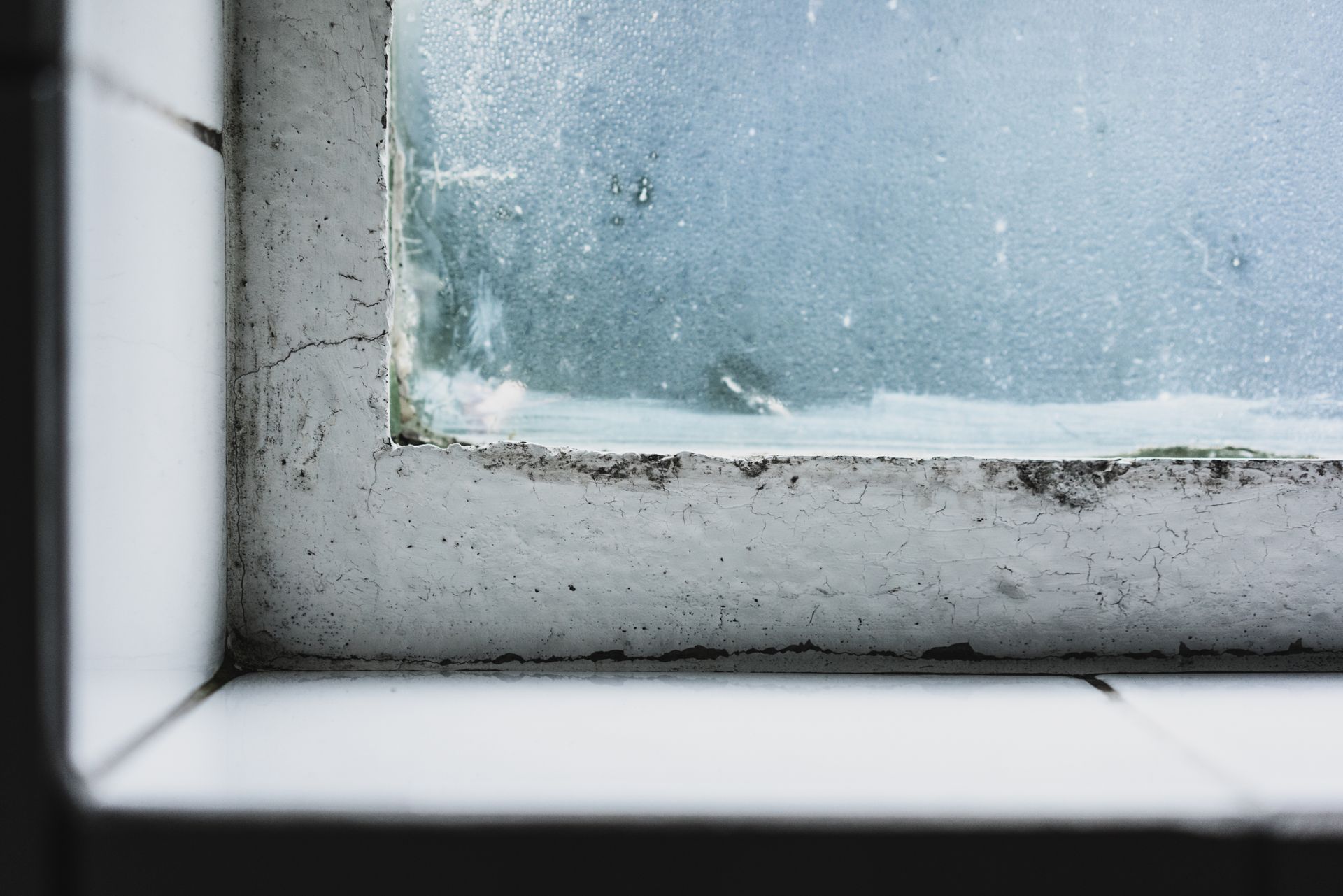
Discovering dark spots spreading across your basement walls is frustrating. The immediate reaction for most homeowners is to grab cheap DIY mold removal products, but Intrepid Restoration frequently hears from property owners confused when the fungus returns weeks later. Retail sprays are rarely designed to provide a permanent solution to fungal infestations.
True mold and mildew remediation requires understanding the biology of the fungus and addressing the moisture source. Relying on superficial cleaning leaves the root system intact, allowing colonies to spread unseen behind your drywall. Setting honest expectations about what it takes to eradicate these persistent indoor hazards helps you make smarter decisions.
In This Article:
- The Bleaching Illusion
- Why Surface Sprays Fail to Stop Roots
- The Danger of Overestimating DIY Mold Removal Products
- Frequently Asked Questions
- Securing a Healthy Living Space
The Bleaching Illusion
Commercial mold sprays rely heavily on bleach to achieve quick visual results. Spraying these chemicals onto stained drywall vanishes the dark discoloration instantly, tricking owners into believing the threat is neutralized. In truth, the chemical only bleached the surface spores white while leaving the underlying organism alive.
→ From a professional standpoint: Bleach is largely water, meaning you are actually feeding the hidden mold roots while stripping away the visible color.
Why Surface Sprays Fail to Stop Roots
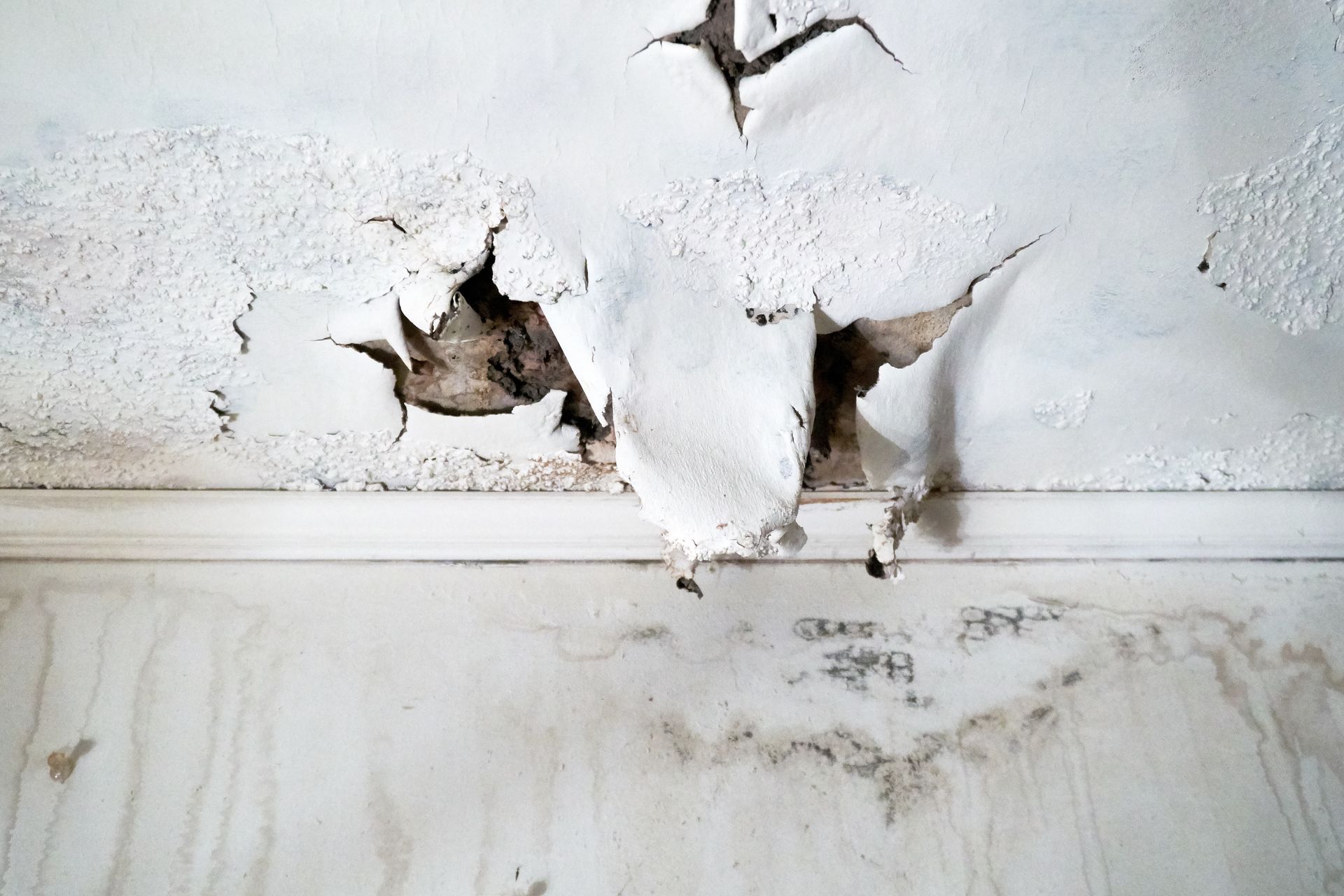
Mold anchors itself deeply into porous building materials. DIY sprays sit on the surface because they lack the formulation to penetrate sheetrock and lumber. While the surface looks clean, roots continue digesting your building materials in the dark.
Homeowners across Washington County, Maryland, struggle with recurring mold when underlying leaks remain unresolved. It is a pattern the team at Intrepid Restoration hears regularly when clients realize surface cleaning is not enough.
► Client Experience: We called three different restoration companies to provide quotes for our lower level where there were two water leaks that resulted in our floor, dry wall, plumbing, and paint services. We were most impressed by Intrepid's professionalism, expertise and cost. Intrepid Miguel as foreman with Dan, Roxanna and a few other workpeople depending on the need completed the job. Intrepid is skilled at dealing with homeowner insurance claims as well. They restored our lower level AND IT LOOKS BETTER THAN THE ORIGINAL WORK DONE for flooring, painting and dry wall repairs. I highly recommend this company for renovations, mitigation and restoration. They did better than our original contractor! We highly recommend Intrepid and will definitely use them again! - Joan Butler
Proper mitigation requires stripping away damaged materials entirely so root causes are treated effectively without future flare-ups.
The Danger of Overestimating DIY Mold Removal Products
A common overestimation is believing a strong chemical smell equals a sterile environment. Spraying heavy retail cleaners exposes you to harsh fumes without solving the mold issue. This delayed action allows the fungus to compromise the structural integrity of your wood frame and decking.
Professional water damage restoration teams focus on physical removal rather than just chemical application.
→ A quick tip to remember: If a mold issue covers more than ten square feet, retail products cannot handle the containment safely.
Frequently Asked Questions
Why does mold keep returning after I clean it?
Mold returns because the moisture source has not been eliminated. Surface cleaning leaves the microscopic root network embedded in porous drywall. Until the active leak is fixed, embedded roots will sprout new growth.
Can painting over mold stop it from spreading?
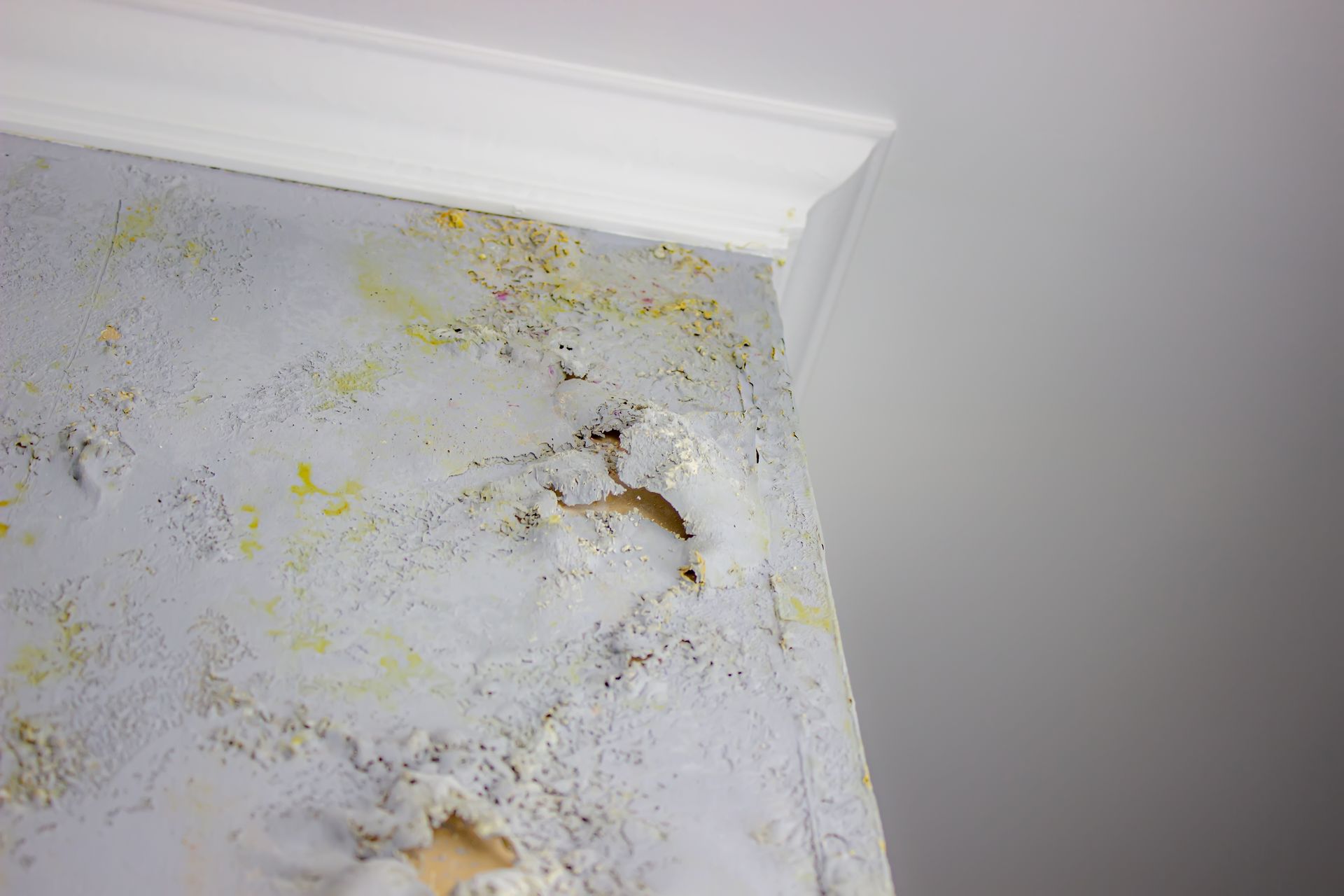
Applying interior paint over active fungi will never kill the organism. Moisture trapped within the mold eventually causes the new paint to bubble and flake away. Antimicrobial primers prevent future growth on clean surfaces, but never cover an existing infestation.
Does a musty smell always mean hidden mold?
A persistent earthy odor is a clinical indicator of fungal off-gassing. These odors are produced by compounds released as mold digests building materials. If you smell this scent but see no stains, colonies are thriving unseen.
Securing a Healthy Living Space
Treating the moisture source is the only proven method to keep indoor fungal growth away. Ditching ineffective retail sprays allows you to focus on structural repairs that protect your air quality. Contact our remediation specialists today to schedule an honest assessment and remove the hazards hiding in your home.
Share This Blog