Winter Wall Condensation vs Leaks: Finding the Real Mold Source
Intrepid Restoration • November 18, 2026
Finding dark spots spreading across your interior walls during the coldest months of the year is a frustrating experience. Most property owners immediately assume a pipe has burst or the roof is leaking water directly into the framing. The team at Intrepid Restoration often investigates these winter moisture issues only to find that the plumbing is perfectly intact. The actual culprit is frequently a combination of poor insulation and natural indoor humidity.
When warm indoor air collides with a freezing exterior wall, condensation forms instantly on the drywall. This hidden moisture creates an ideal breeding ground for fungal colonies right inside your living space. Properly diagnosing the source requires professional mold inspection and testing to determine exactly how the moisture is entering the room. Treating the problem without understanding the root cause guarantees the dark spots will simply return next week.
Here is what we cover:
● The Science of Winter Condensation
● Recognizing the Signs of Poor Insulation
● The Reality of Fungal Colonies in Cold Rooms
● The Role of Professional Mold Inspection and Testing
● Stopping the Moisture at the Source
The Science of Winter Condensation
Condensation is not just a summer humidity problem. During the winter, you heat your home to stay comfortable while the outside temperatures drop below freezing. Activities like taking hot showers, cooking hot meals, and running the clothes dryer pump large amounts of invisible moisture into the air.
When this warm, humid air hits a cold surface like an uninsulated exterior wall or a single pane window, it instantly turns into liquid water. This constant accumulation of water droplets soaks directly into the porous paper backing of your sheetrock. People often get this wrong by assuming the water must be coming from outside the house. In reality, the house is sweating from the inside out because the building envelope is failing to keep the cold out.
Recognizing the Signs of Poor Insulation
Many homes across Frederick County, Maryland, lack the proper thermal barriers required to handle deep winter freezes. If your walls feel icy to the touch on a cold morning, the insulation inside the framing cavity is likely degraded or missing entirely.
● Cold Drafts: Feeling a distinct chill near electrical outlets indicates that freezing air is penetrating the wall cavity.
● Window Sweating: Heavy water pooling on window sills every morning is a major red flag for high indoor humidity meeting cold exterior glass.
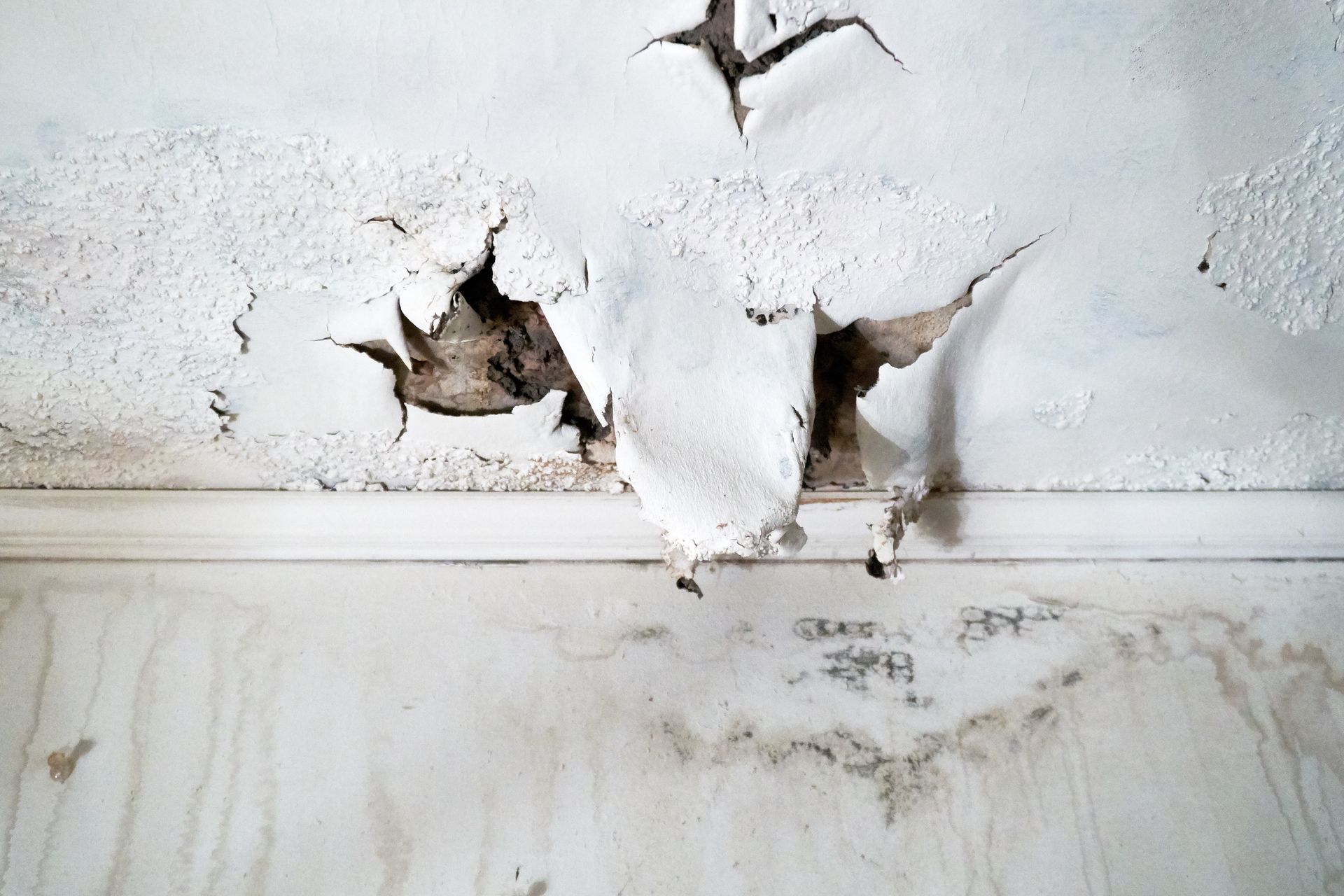
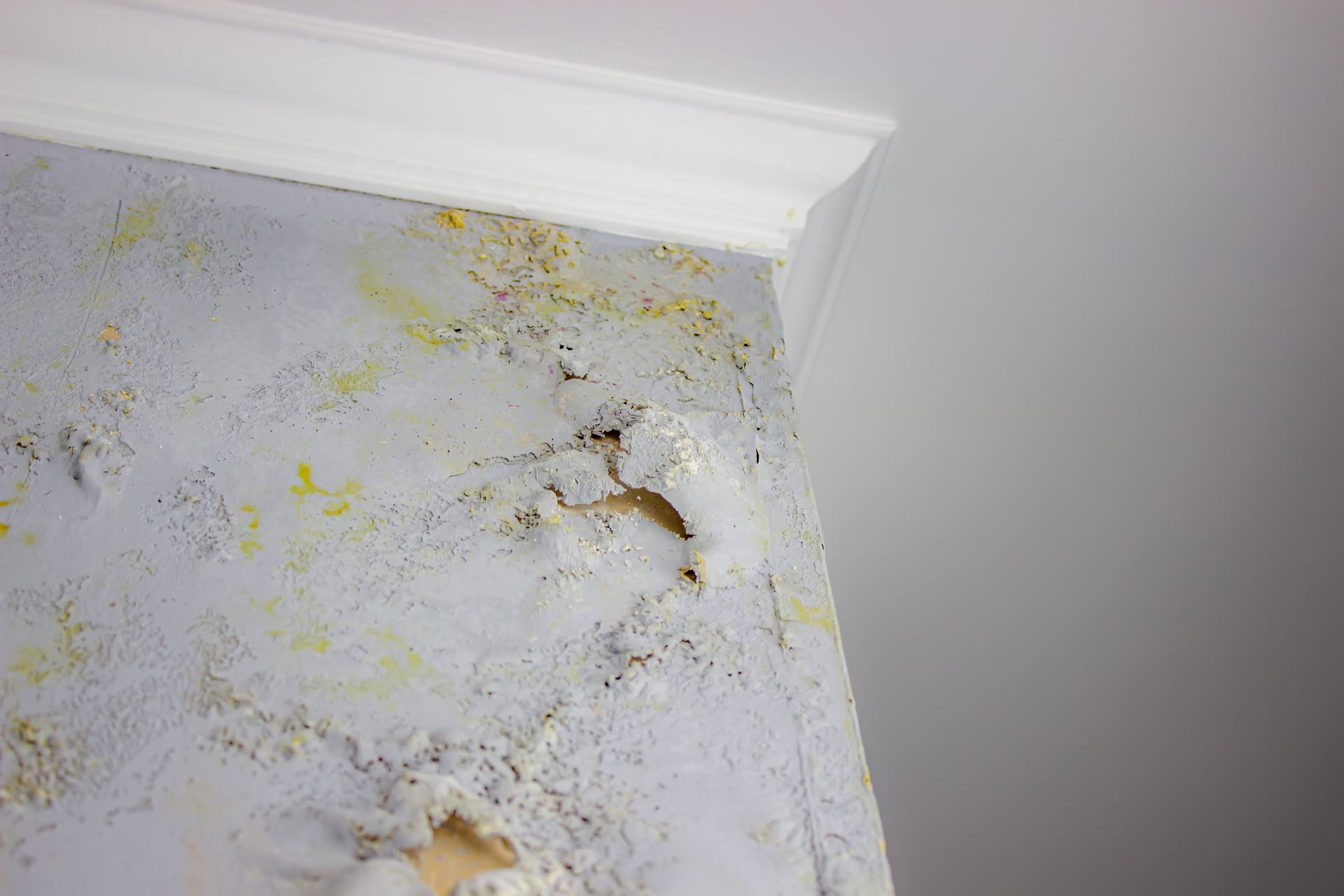
● Peeling Paint: Moisture pushing through the drywall causes interior paint to bubble, crack, and flake away from the baseboards.
The Reality of Fungal Colonies in Cold Rooms
Homeowners often wonder why mold is growing on their bedroom wall in the winter when there are no obvious plumbing lines nearby. Bedrooms are notorious for this issue because people close the doors at night, trapping the heat and the moisture from their breath inside a small space.
The exterior-facing corners of a bedroom are usually the coldest spots in the entire house. As the trapped humidity condenses in those dark stagnant corners, mold spores find the exact food and water sources they need to multiply rapidly.
The Role of Professional Mold Inspection and Testing
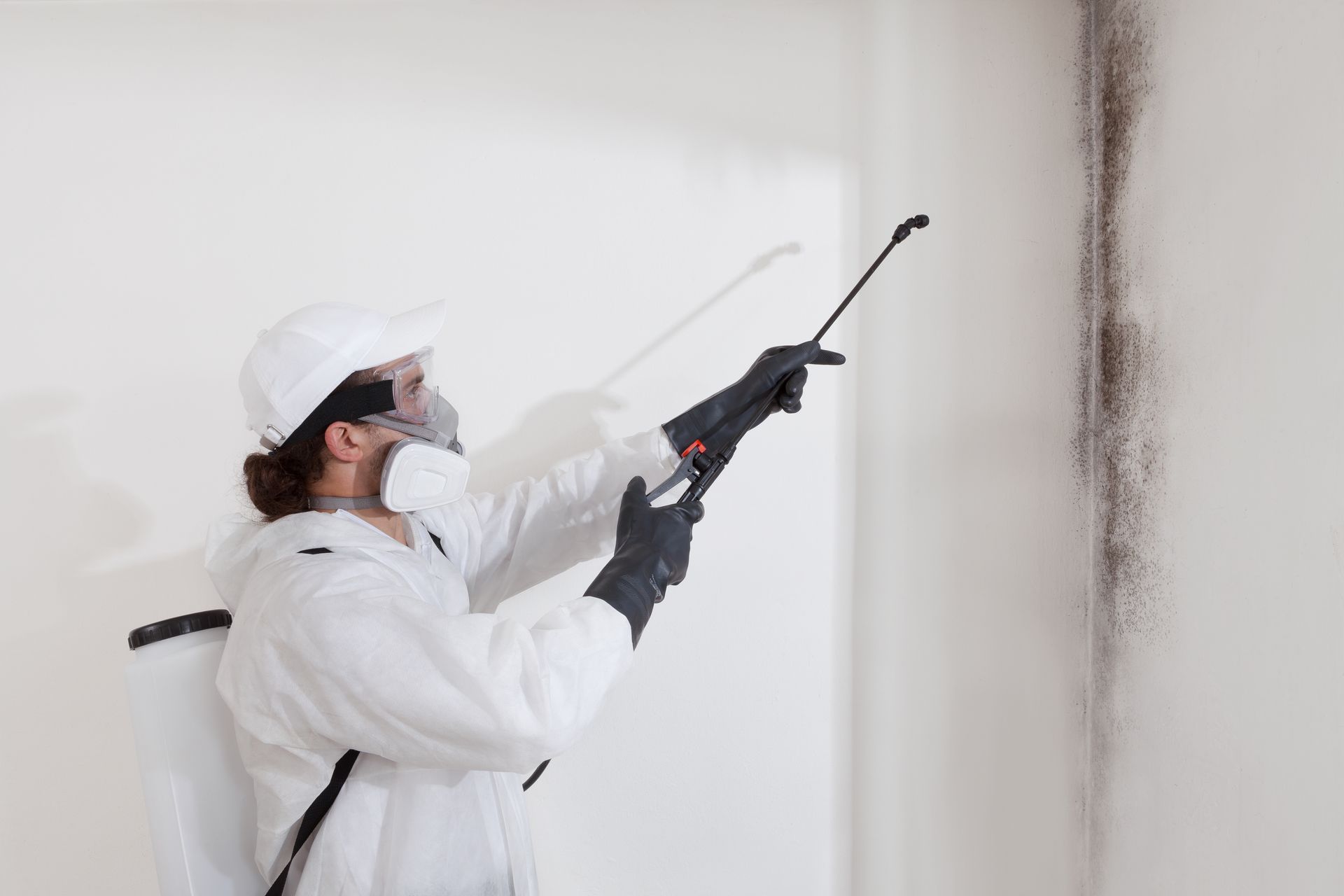
Treating winter condensation stains with harsh retail sprays only bleaches the surface spots while ignoring the active moisture problem entirely. To truly eradicate the hazard, you must verify the type of fungus and locate the exact point of temperature failure.
Bringing in experts for mold inspection and testing provides clinical certainty rather than guesswork. Technicians use thermal imaging cameras to identify the exact areas missing insulation without tearing the room apart. They measure the indoor humidity levels to prove that the home environment is feeding the active colonies. Once the structural deficiency is documented, you can target your repairs effectively.
Stopping the Moisture at the Source
The permanent fix often requires a combination of improved ventilation and strategic drywall repair and replacement. Removing the compromised sheetrock allows you to install fresh insulation and establish a proper thermal break. Running exhaust fans longer after showers and utilizing a whole-house dehumidifier keeps the indoor air dry enough to prevent further condensation.
Reclaiming Your Indoor Air Quality
Identifying the true cause of winter moisture prevents you from wasting money on the wrong repairs. Addressing the missing insulation stops the condensation cycle and permanently starves the fungal colonies of the water they need to survive. Contact our diagnostic team today to schedule an assessment and keep your walls completely dry this season.
Share This Blog